The Personal Welcome Factor in Restaurant Menus
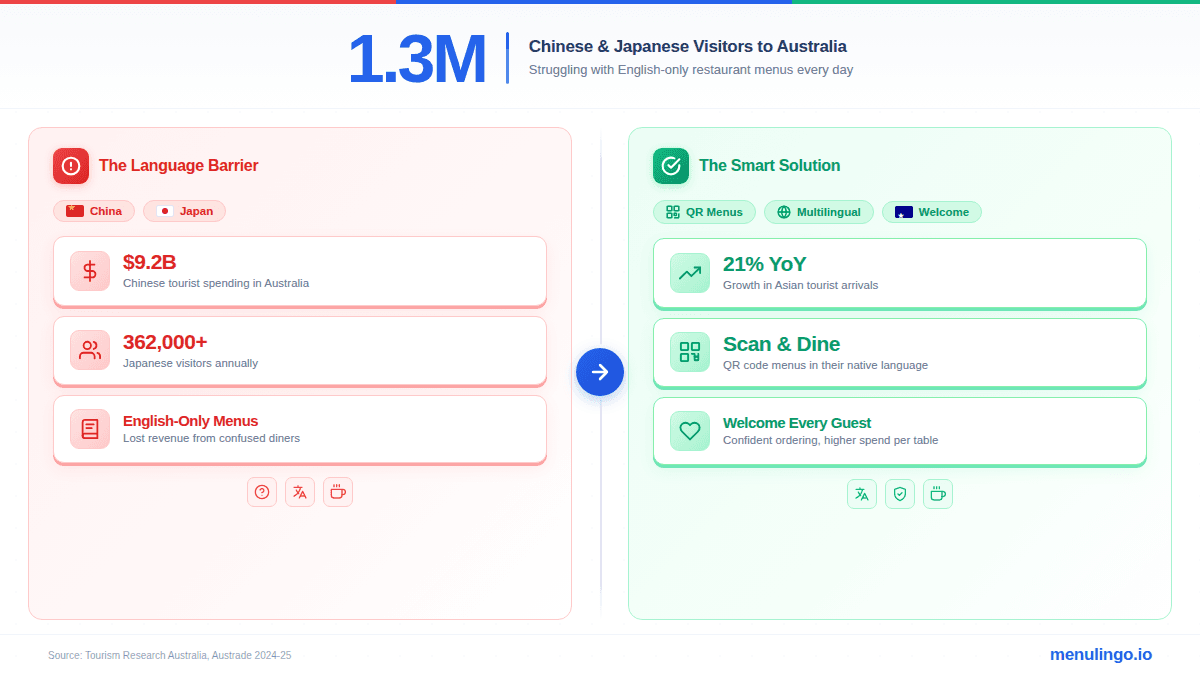
A guest walks into your restaurant for the first time. They sit down, scan the QR code on the table, and the menu appears on their phone — in Mandarin. Every dish described clearly, every allergen labelled in their language, every section easy to navigate. They didn't ask for this. Nobody fumbled with a laminated translation card. The restaurant simply knew they might come, and prepared for them.
That moment — the quiet realisation that this place thought about someone like me — is the personal welcome factor in restaurant menus. It's the difference between a transaction and an experience. Between a one-time visit and a guest who comes back, brings friends, and tells the internet.
What Makes a Dining Experience Feel Personal
Hospitality has always been about making people feel seen. The best restaurants have understood this instinctively — the host who remembers your name, the waiter who knows you prefer still water, the chef who sends out a dish "because I thought you'd enjoy this."
But these personal touches have traditionally relied on repeat visits. You had to come back several times before the restaurant learned your preferences. For first-time diners — especially international visitors — that personal recognition rarely happened.
The personal welcome factor changes this equation. It delivers a personalised experience from the very first scan of the menu. When a Japanese tourist opens your menu and sees every dish described in Japanese, with allergen information clearly marked in their language, the restaurant communicates something powerful without saying a word: we expected you, we prepared for you, and we want you to have a great experience here.
This isn't about technology. It's about the oldest principle in hospitality — making your guest feel welcome.
The Psychology of Being Understood
There's a well-documented psychological response to being understood in your own language. When someone speaks to you in your mother tongue — especially when you're in a foreign country — it creates an immediate sense of trust and belonging. Linguists and hospitality researchers have consistently observed that language familiarity reduces anxiety and increases engagement in commercial settings.
For diners, this plays out in measurable ways. A guest who can read the menu in their language relaxes. They take their time. They explore the full menu instead of scanning for recognisable words. They ask questions about dishes that intrigue them, rather than defaulting to the safest option.
This isn't just about comfort. It's about agency. When a diner understands every dish, they feel in control of their experience. They choose the slow-braised lamb shoulder because it sounds extraordinary, not the pasta because it's the only word they recognise. They order a bottle from the wine list because the tasting notes actually mean something in their language.
The psychology works in reverse too. When a diner can't read the menu, every interaction carries a small friction. Ordering feels like guessing. Asking about allergens feels risky. The entire experience becomes something to get through rather than something to enjoy. That friction doesn't show up as a complaint — it shows up as a lower spend, a shorter visit, and a guest who never returns.
How Menu Personalisation Builds Emotional Loyalty
The personal welcome factor creates emotional loyalty — the kind that's harder to earn and harder to lose than transactional loyalty built on discounts or rewards programs.
Language as a Gesture of Respect
When your menu appears in a guest's language, it communicates respect. Not the performative kind — the genuine kind. The restaurant invested time and thought into serving people from this guest's culture. That investment registers emotionally, even if the guest never consciously thinks about it.
This matters because restaurant loyalty isn't rational. Guests don't create spreadsheets comparing value-for-money across dining options. They return to places that made them feel something. A restaurant where they felt understood, welcomed, and respected earns a place in their memory that no loyalty card can replicate.
Allergen Safety as Care
For guests with dietary restrictions or food allergies, seeing allergen information in their own language goes beyond convenience. It communicates care.
A guest with a severe nut allergy who sees clear, accurate allergen labelling in Korean or Arabic doesn't just feel safe — they feel looked after. They feel that the restaurant takes their wellbeing seriously enough to communicate safety information in a language they can trust. That feeling of being cared for is a powerful driver of loyalty.
Compare this to the alternative: a guest asking about allergens in broken English, a staff member trying to explain cross-contamination risks through gestures, and both parties leaving the conversation uncertain. Even if the meal goes well, the anxiety of that interaction colours the entire experience. Understanding the real cost of allergen mistakes helps put this in perspective.
The Compound Effect of Small Gestures
The personal welcome factor doesn't require grand gestures. It's built from small, consistent signals that add up to an overall impression.
The menu in their language. The allergen information they can actually read. The dish descriptions that make sense culturally — not literal translations, but descriptions that convey the same appeal the original menu intended. Each of these small touches compounds into an experience that feels thoughtful and intentional.
Restaurants that understand how AI menu translation works know that quality translation preserves this appeal. A dish described as "tender lamb slow-cooked with aromatic spices" should feel equally appealing in Mandarin, Spanish, or Arabic — not robotically translated, but genuinely conveyed.
How the Personal Welcome Factor Drives Return Visits
Guest loyalty in hospitality follows a predictable pattern. The first visit is a trial. The second visit is a choice. The third visit is a habit.
The personal welcome factor accelerates this progression because it removes the biggest barrier to return visits for international and multilingual diners: uncertainty. A guest who had a comfortable, fully understood dining experience doesn't need to wonder whether they'll be able to navigate the menu next time. They already know. The restaurant has already proven it can serve them well.
For tourists, this translates directly into repeat visits during their stay. A family on a week-long holiday who discovers a restaurant where they can read the menu and feel welcome will return two or three times rather than taking a chance on somewhere new each night. Each return visit represents revenue that would otherwise go to a competitor.
For local residents who speak a language other than English at home — and in cities like Sydney, Melbourne, London, or New York, this represents a substantial portion of the population — the personal welcome factor drives long-term loyalty. A Korean-speaking family in Sydney who finds a restaurant with a Korean menu option will make it a regular spot.
Word of Mouth: The Most Valuable Marketing Channel
Hospitality operates on recommendations. A personal recommendation from a trusted friend or family member is worth more than any advertisement, and international dining communities are tightly networked.
When a guest experiences the personal welcome factor, they talk about it. Not because the technology impressed them — most diners don't care about the technology — but because the experience felt special. "We found this Italian place and they had the menu in Mandarin. The kids could read everything. We went back twice."
That recommendation travels through WhatsApp groups, family dinner conversations, travel forums, and social media. For restaurants in tourist areas, this kind of word-of-mouth marketing among international visitor communities is extraordinarily valuable. One recommendation in a Chinese travel group can send dozens of diners to your door.
The same dynamic works for local multilingual communities. A recommendation within a Korean church group, an Arabic-speaking social circle, or a Japanese expat community carries weight precisely because it addresses a known pain point — finding restaurants where they'll feel comfortable and understood.
Online Reviews: The Digital Welcome Mat
The personal welcome factor doesn't stay inside the restaurant. It shows up in online reviews, and those reviews shape the decisions of future guests.
International diners who experience a personalised, language-friendly dining experience leave reviews that specifically mention this. "Menu available in Japanese," "allergen information in our language," "felt very welcome as tourists" — these phrases appear in reviews and become searchable signals for future diners.
For restaurants competing in tourist-heavy areas, these reviews create a compounding advantage. More positive multilingual reviews lead to higher rankings on platforms like Google Maps and TripAdvisor. Higher rankings lead to more international diners. More international diners, served well, leave more positive reviews. Restaurants that serve international tourists well understand this flywheel effect.
The reverse is equally true. Restaurants where international diners feel confused or unwelcome accumulate reviews that warn others away. The revenue impact of language barriers extends well beyond the individual transaction — it shapes the restaurant's online reputation for months or years.
Social Media: When Guests Become Your Marketers
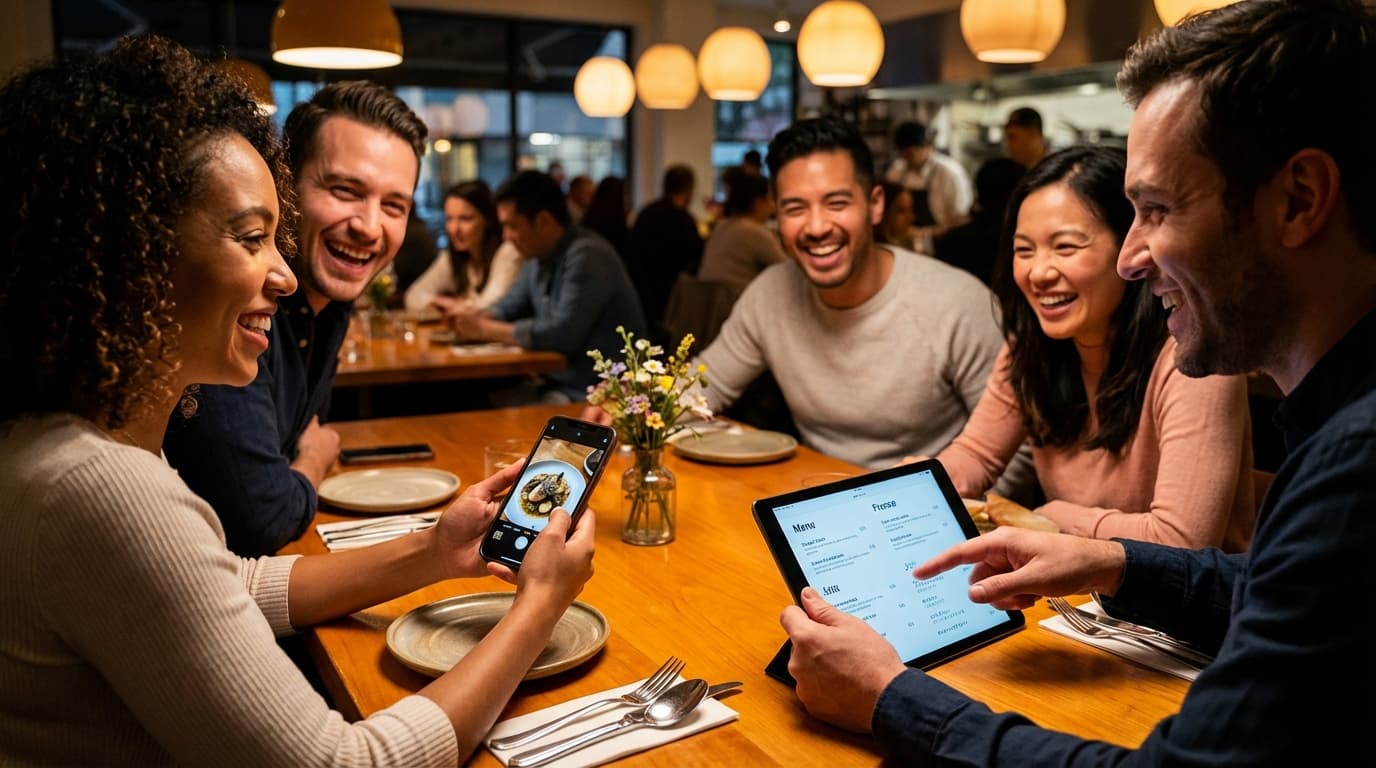
Here's something restaurants often overlook: guests photograph beautiful, well-designed menus. When a multilingual digital menu is clean, branded, and easy to navigate, diners screenshot it, photograph it, and share it on social media.
A Japanese tourist who opens a beautifully designed menu in Japanese at a restaurant in Melbourne is likely to share that moment on Instagram or LINE. A Chinese diner who discovers a menu with accurate Mandarin descriptions might post about it on Xiaohongshu. These organic social shares are free marketing that reaches exactly the audience most likely to visit.
This effect is amplified when the menu design reflects the restaurant's brand — professional, appealing, and consistent with the dining experience. A QR code menu that offers a competitive advantage isn't just functional; it's shareable.
The personal welcome factor turns your guests into advocates. Not because you asked them to share — but because the experience was worth sharing.
Building the Personal Welcome Factor Without Learning 100 Languages
The challenge, of course, is practical. A restaurant owner can't learn Mandarin, Japanese, Korean, Arabic, Hindi, French, German, Spanish, and Portuguese. They can't hire translators for every language their guests might speak. And printed multilingual menus are a logistical and cost nightmare that goes out of date the moment a dish changes.
This is where the right digital menu system changes the equation entirely. Multilingual menu translation powered by AI trained specifically for culinary contexts can deliver accurate, culturally appropriate translations across 100 languages — updated instantly whenever the menu changes.
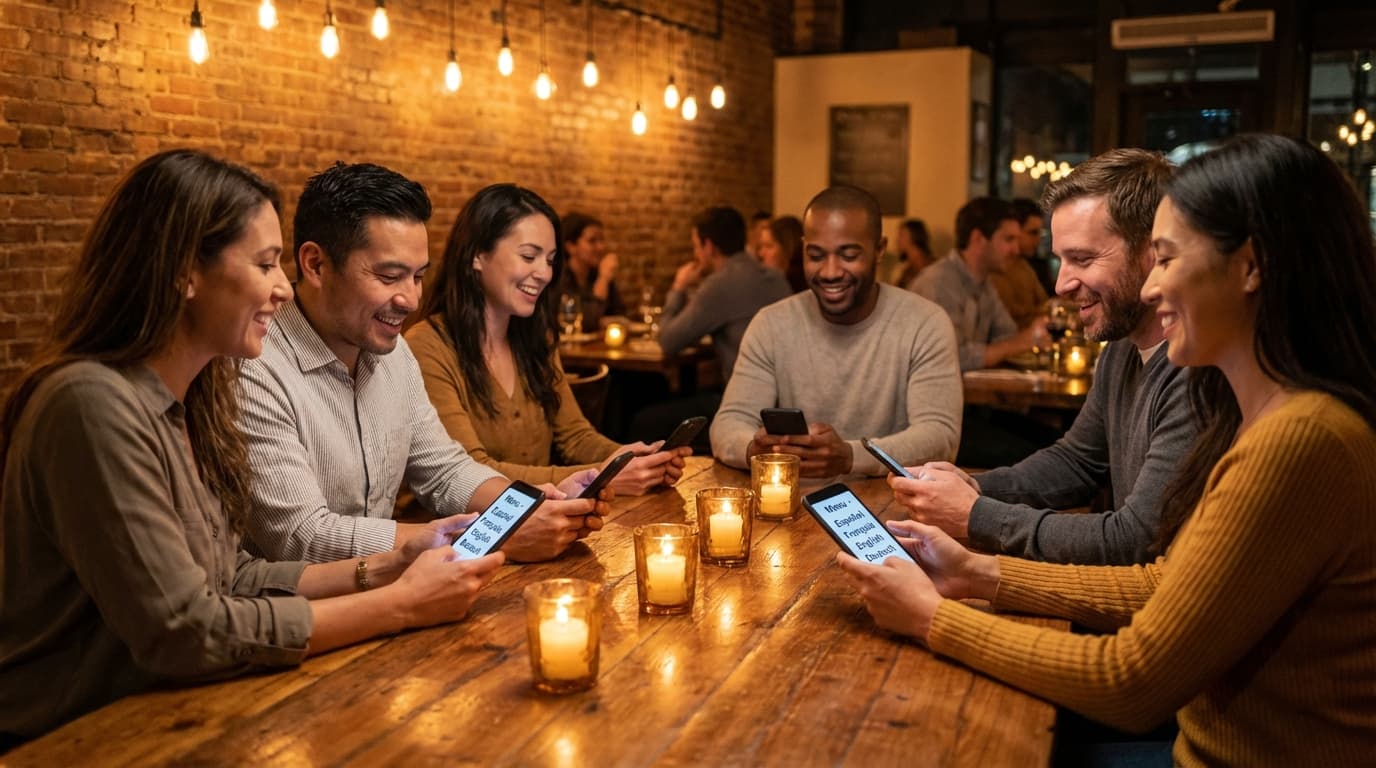
The restaurant owner uploads or enters their menu once. The system handles the translation, the allergen labelling, the language switching, and the presentation. Every guest who scans the QR code sees the menu in their language, with allergens clearly marked, descriptions that make sense culturally, and a design that reflects the restaurant's brand.
The owner doesn't need to learn a single foreign word. They just need to care enough about their guests to set up the system. That's the personal welcome factor in action — genuine hospitality, enabled by smart technology, delivered at scale.
Restaurants that want to go further can combine multilingual menus with proper allergen-friendly menu design, ensuring that every guest — regardless of language or dietary need — feels genuinely welcome and safe.
Why the Personal Welcome Factor Matters More Than Ever
International travel is at record levels. Migration patterns mean that major cities worldwide have increasingly multilingual local populations. Dining out remains one of the primary ways people experience a new culture — and the menu is the first point of contact.
Restaurants that recognise this shift and adapt their menus accordingly aren't just capturing more revenue (though they are). They're practising hospitality in its truest sense: making every guest feel welcome, understood, and valued.
The personal welcome factor isn't a marketing gimmick or a technology play. It's the natural extension of what good restaurants have always done — caring about their guests. The only difference is that now, with the right tools, you can extend that care to every guest who walks through your door, no matter what language they speak.
Understanding staff allergen training gaps is another piece of this puzzle — because the personal welcome factor works best when your team and your technology are aligned.
Ready to Welcome Every Guest Personally?
MenuLingo gives your restaurant the personal welcome factor from day one. Your menu, translated into over 100 languages with integrated allergen safety — so every guest feels expected, prepared for, and genuinely welcome.
The Pro plan at $24.99/month (just $5 more than Starter) unlocks 100 languages, 5 menus, and 200 items — everything you need to welcome the world to your table. Every plan includes a 14-day free trial, so you can see the difference before you commit.
Ready to make your menu multilingual?
Join restaurants already serving diners in 9 languages with accurate allergen information. 14-day free trial, no credit card required.
Start Your Free Trial